
Is Buying a New Construction Home Worth the Premium?
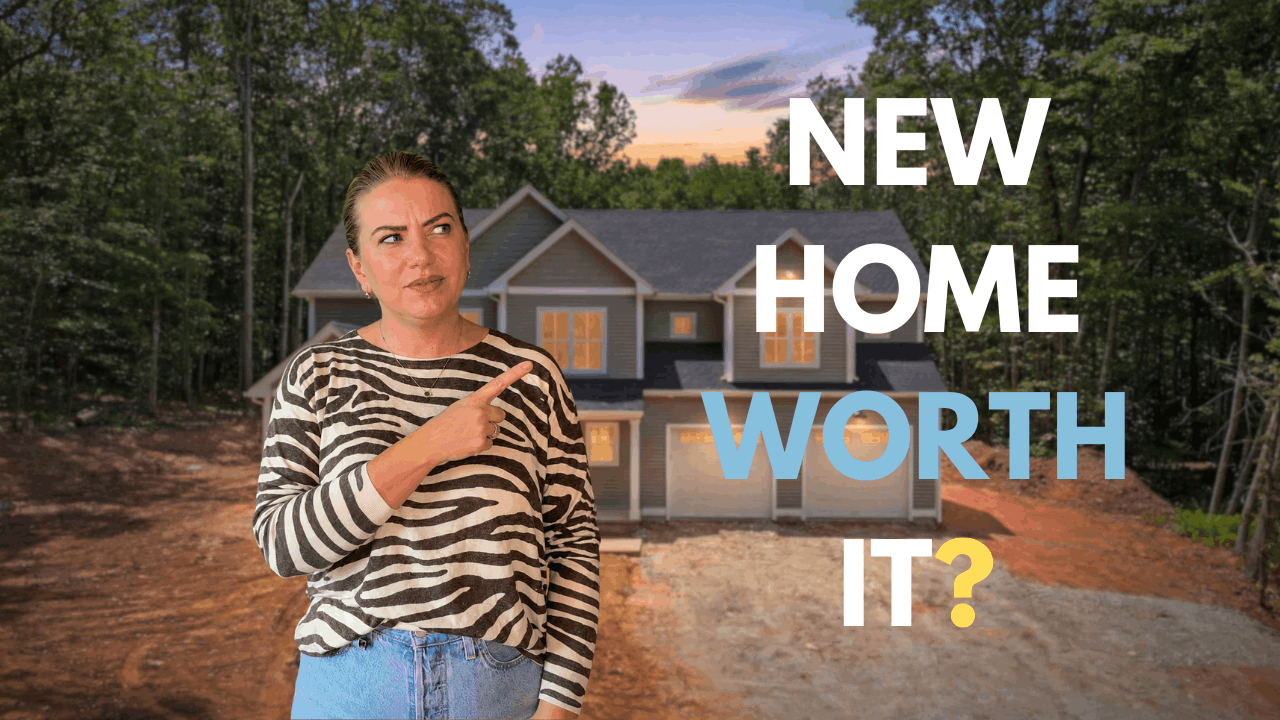
Is it really worth paying more?
After helping buyers purchase new construction homes and representing builders throughout Connecticut, I've seen the process from both perspectives. While new construction isn't the right fit for everyone, there are many situations where the added investment delivers tremendous long-term value.
Before deciding whether a newly built home is right for you, here are the biggest advantages—and a few important drawbacks—to consider.
Why Many Buyers Choose New Construction
Walking into a brand-new home is a completely different experience.
Everything is untouched. The flooring has never been walked on. The kitchen has never been cooked in. The appliances are brand new, the paint is fresh, and every detail is built specifically for today's lifestyle.
For many buyers, that peace of mind alone is worth the premium.
Unlike older homes that may require immediate repairs or updates, new construction allows you to move in knowing that virtually every major system is brand new.
Lower Maintenance Means Fewer Surprises
One of the biggest financial advantages of buying new construction is predictable maintenance.
With an older home, buyers often budget for replacing the roof, HVAC system, windows, water heater, or other major components sooner rather than later.
With new construction, those expenses are typically years away.
That means:
- Lower maintenance costs
- Less unexpected spending
- More confidence in your monthly budget
- More time enjoying your home instead of repairing it
For many homeowners, this peace of mind becomes one of the biggest benefits after moving in.
Modern Floor Plans Designed for Today's Lifestyle
Builders design homes around how families actually live today.
Instead of small enclosed rooms, you'll often find:
- Open-concept kitchens
- Large center islands
- Walk-in pantries
- Mudrooms
- Home offices
- Spacious primary suites
- Larger closets
- Better storage throughout
These layouts simply fit today's lifestyles better than many homes built decades ago.
Better Energy Efficiency
Another major advantage is energy efficiency.
New construction homes typically include:
- High-performance insulation
- Energy-efficient windows
- Modern HVAC systems
- Improved ventilation
- LED lighting
- Better overall building standards
While utility savings vary by home, buyers often notice lower heating and cooling costs compared to older properties.
Personalize Your Home Before You Move In
If you're purchasing early enough in the construction process, you may have the opportunity to personalize your home.
Depending on the builder, you may be able to choose:
- Flooring
- Cabinetry
- Countertops
- Paint colors
- Tile selections
- Fixtures
- Lighting
- Hardware
Instead of remodeling after closing, you're creating a home that already reflects your style from day one.
Not All Builders Are Created Equal
One mistake buyers make is focusing only on finishes.
Beautiful countertops and stylish lighting don't necessarily mean the home was built well.
The builder behind the project matters far more than the cosmetic details.
When evaluating a builder, ask yourself:
- How long have they been building homes?
- What's their reputation in the community?
- Do they stand behind their work?
- Do they have experienced subcontractors?
- Is attention to detail evident throughout the home?
The quality of the builder's team—including framers, electricians, plumbers, HVAC contractors, finish carpenters, painters, and flooring installers—plays a huge role in the final product.
A well-managed construction team often makes the difference between a beautiful home that performs well for decades and one that develops ongoing issues.
Tour a Completed Home Before Buying
If possible, always ask to see another home the builder has completed.
Photos and renderings only tell part of the story.
Walking through an actual finished home allows you to evaluate:
- Overall craftsmanship
- Finish quality
- Attention to detail
- Trim work
- Flooring installation
- Cabinet alignment
- Tile work
- Overall feel of the home
If the builder doesn't currently have a completed model available, ask whether previous homeowners would be willing to allow a brief visit. Many builders maintain great relationships with past clients, and seeing a finished product can give you tremendous confidence before making such an important investment.
Questions Every Buyer Should Ask
Before signing a contract, make sure you understand:
- Exactly what is included in the purchase price
- Which upgrades cost extra
- Construction timelines
- Warranty coverage
- Closing costs
- Builder allowances
- Financing options
- Landscaping and driveway completion
- Appliance packages
- Final walkthrough procedures
The more questions you ask upfront, the fewer surprises you'll encounter later.
The Two Biggest Downsides of New Construction
While I love new construction, it's important to be realistic about the challenges.
1. You're Paying a Premium
There's no avoiding it—new construction generally costs more than comparable resale homes.
You're paying for:
- Brand-new systems
- Modern layouts
- Energy efficiency
- Customization opportunities
- Lower maintenance
- Builder warranties
For many buyers, the long-term value outweighs the higher purchase price, but it's important to decide whether those benefits align with your goals and budget.
2. Delays Can Happen
Construction timelines aren't always predictable.
Weather, labor shortages, inspections, permit approvals, and material availability can all affect completion dates.
If you're selling another home or relocating on a specific timeline, it's wise to build flexibility into your plans.
Should You Have Your Own Realtor?
Absolutely.
Many buyers assume the builder's sales representative works for them.
In reality, the sales representative represents the builder.
Having your own experienced Realtor means you have someone protecting your interests, explaining the contract, helping you evaluate upgrades, coordinating inspections, and guiding you through every step of the process.
The cost of your representation is often already built into the builder's marketing budget, so there is rarely a financial advantage to going in without your own agent.
Final Thoughts
New construction isn't simply about buying a brand-new house.
It's about investing in quality, efficiency, thoughtful design, and years of lower maintenance.
The key is choosing the right builder and having an experienced Realtor by your side throughout the process.
I've had the privilege of helping buyers purchase new construction homes while also representing builders, and that experience allows me to guide clients through the process from both perspectives.
If you're considering new construction in Connecticut, I'd be happy to help you evaluate builders, compare options, and make sure you're making the right decision for your future.
Thinking about buying or selling in Connecticut? Let's connect.
Categories
Recent Posts






Real Estate Professional License ID: RES.0804073
+1(860) 770-0029 | agnes.mroczka@raveis.com