
What Your Home Photos Are Actually Saying (And Why It Matters More Than You Think)
What Your Home Photos Are Actually Saying (And Why It Matters More Than You Think)
After nearly a decade selling homes throughout Connecticut, I've learned something most sellers don't realize until it's too late:
Your listing photos are doing more than showing your home. They're making decisions for the buyer before the buyer even knows they're deciding.
I've watched it happen hundreds of times. A buyer is scrolling through Zillow on their lunch break. They see thirty listings in under two minutes. They stop on three. They request showings on one.
What separated the one from the other twenty-nine? It almost never came down to square footage, price, or location. It came down to the photos.
And in those few seconds, buyers were already telling themselves a story about each home — a story written entirely by the pictures. That's why I want to talk about something I think every Connecticut seller needs to hear before they list:
What your home photos are actually saying.
The 8-Second Window That Decides Everything
Studies from the National Association of Realtors and Zillow consistently show that the average buyer spends roughly eight seconds looking at any one listing photo before deciding whether to keep scrolling or take a closer look.
Eight seconds.
That's not enough time to read a description. Not enough time to weigh features. Not enough time to look at the school district or check the property taxes.
It's only enough time to feel something.
That feeling — usually one of warmth, openness, possibility, or alternatively, something that just feels "off" — becomes the lens through which buyers evaluate everything else. If your photos generate the right feeling, buyers seek out reasons to love your home. If they generate the wrong feeling, buyers find reasons to dismiss it.
This is the single most important thing I tell my sellers before we list:
The showing isn't the first impression anymore. The thumbnail is.
By the time a buyer walks through your front door, they've already decided whether they're hoping to like your home or hoping to find something wrong with it. That decision was made online, often weeks earlier, based entirely on what your photos communicated.
What Bad Photos Are Quietly Telling Buyers
Most homeowners don't realize their listing photos are actively working against them. They look at their iPhone snaps and think, "These are fine — the house is clean, the rooms look like rooms."
But buyers don't see what's there. They see what the photo says about what's there. And bad photos say very specific things — none of them helpful.
Dark Photos Say "Small."
A dim, shadowy photo doesn't read as moody or cozy. It reads as cramped. Buyers' eyes interpret darkness as a lack of space, even when the room is generously sized.
This is one of the biggest mistakes I see with DIY photography. A seller takes photos on an overcast day, or in the late afternoon, or with the curtains closed because they think bright sunlight will create "harsh shadows." The result is a listing where every room looks smaller than it actually is.
Professional real estate photographers use HDR blending and supplemental lighting to do something your iPhone simply can't: make the light coming through the windows match the light in the room. Done well, the result feels like the room actually feels in person — bright, open, and welcoming.
A well-lit photo can make a 12x14 bedroom feel like a sanctuary. A poorly lit one can make that same room feel like a closet.
Clutter Says "Lived-In." (And Not in a Good Way.)
Buyers don't see your kitchen. They see your stuff in your kitchen.
The toaster on the counter. The magnets on the fridge. The dish drying rack by the sink. The mail stacked on the island. Every visible object competes with the architecture of the room itself. Worse, every personal item — family photos, kids' artwork, a collection of mugs — makes it harder for a buyer to imagine themselves living there.
That's the goal of a great listing photo: not to show the buyer your home, but to help them imagine their home. That can't happen if your home is already occupying the frame with too much of your life.
A few rules I share with every client:
- Counters should be 90 percent clear in photos
- Family photos and personal items should be removed or boxed up
- Less furniture often photographs better than more
- What looks empty in person tends to look balanced in a wide-angle photo
This isn't about depersonalizing your home permanently. It's about creating an open canvas for the eight-second emotional decision.
Bad Angles Say "Something's Off."
You know how some photos just feel wrong, even when you can't say why? That's what bad angles do.
A photo taken from the wrong height, in the wrong corner, with the wrong lens makes a room feel awkward even when it's beautifully designed. Buyers can't articulate what's bothering them — they just scroll past.
A few technical things that separate professional listing photography from amateur:
- Camera height matters. Professionals shoot at chest height, not eye level. Eye-level shots distort proportions and make ceilings look low.
- Lens choice matters. A wide-angle lens shows the full room without distortion. Too wide, though, and the photo looks fish-eyed and dishonest.
- Straight verticals matter. When walls appear slanted in a photo, it subconsciously signals amateur work — and amateur marketing.
- Primary angles matter. Every room has a "best angle" that emphasizes its strengths. A professional takes time to find it. An amateur takes whatever angle is easiest.
These technical details may sound minor, but they're the difference between a photo that makes a buyer stop and a photo that makes them swipe past.
What Great Photos Actually Communicate
Now let's flip the conversation. What does great listing photography do that bad photography can't?
The best photos do something subtle: they don't just show the home — they make the buyer imagine themselves in it. That's an emotional decision, and it happens faster than logic.
Here are the unspoken messages great photos send:
- A clean, light-filled image says "this could be peaceful."
- A well-staged dining room says "we could host here."
- A crisp exterior shot says "this house is cared for."
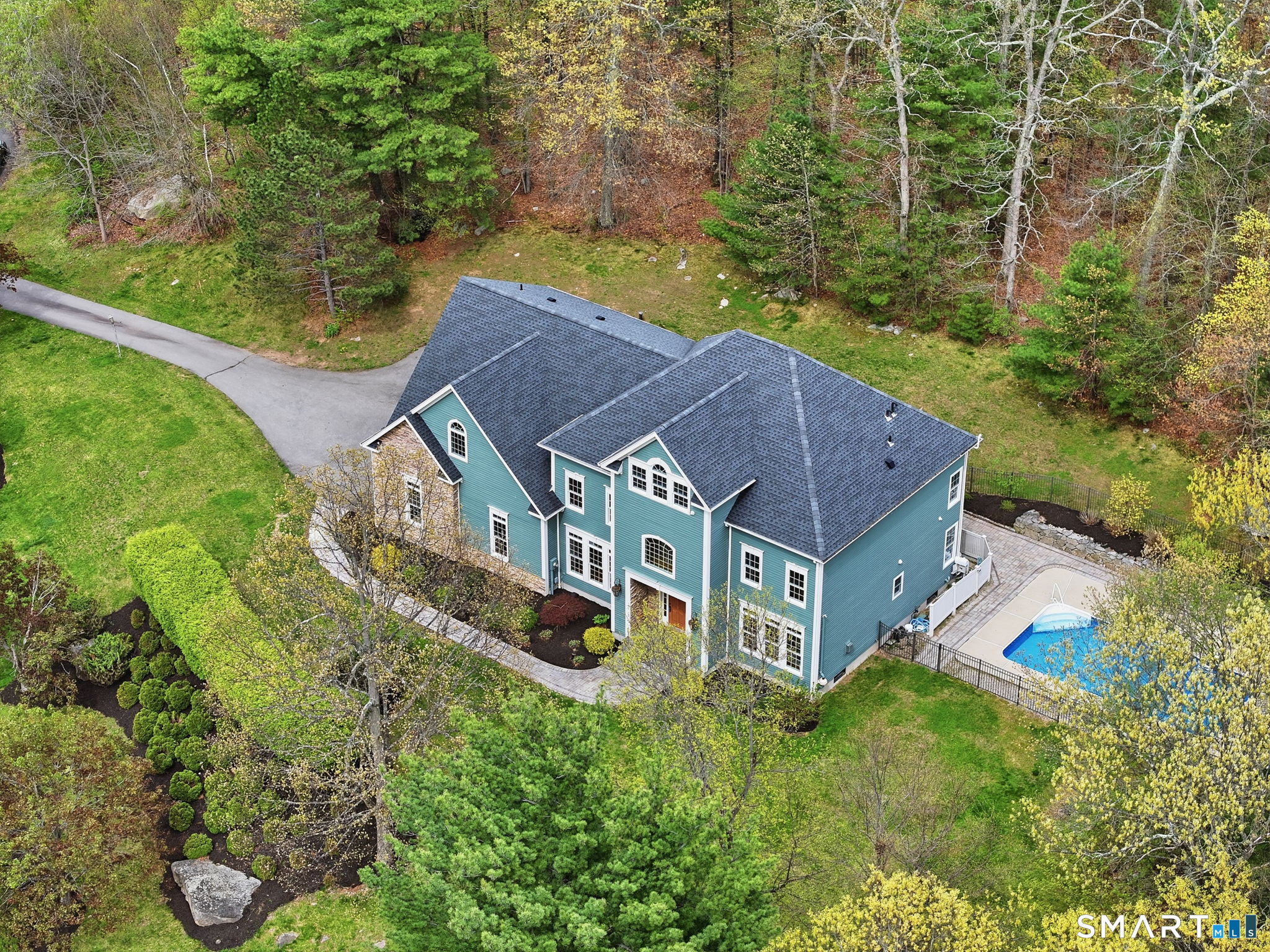
- A strong twilight or drone shot says "this home is something special."
These messages get under the buyer's skin. They create emotional momentum. By the time the buyer reaches the property description, they're already half in love with the idea of your home. That's when offers happen quickly, and at strong numbers.
This is why, on every listing I take, professional photography isn't an add-on. It's part of the launch strategy from day one. I include professional photo, video, and drone work in my marketing package for every home I list — because skipping it isn't saving money. It's costing you offers.
Why DIY Photos Cost More Than They Save
I understand the instinct. The market is strong. Buyers are out there. Why spend money on professional photography when your phone takes "perfectly good" pictures?
Here's the honest answer:
The cost of bad photos isn't the photos. It's the days your home sits on the market that it didn't need to. The buyers who never requested a showing. The first-offer price that came in lower than it should have.
In a market like Connecticut's right now — where well-presented homes are selling in single digits of days, often at or above asking — your launch matters enormously. The first two weeks are when the most motivated, qualified buyers are watching. If your photos don't compel them to stop scrolling, you've lost those buyers forever, no matter what you do later.
I've seen sellers spend thousands fixing up a home, then sabotage the whole launch with iPhone photos taken at noon with the lights off. It's heartbreaking, because the work was already done. The home was already ready. Only the marketing failed.
That's not a mistake I let my clients make.
The Marketing That Sells Connecticut Homes
When I take a listing, here's what goes into the photography and presentation package — every time, included:
- Professional HDR photography of every room, with proper lighting and color correction
- Drone aerial photos for properties where the lot, neighborhood, or architecture benefits from elevation
- Video walkthroughs that capture flow and feel in a way still photos can't
- Twilight exterior shots for homes where dusk lighting creates extra impact
- Staging consultation to prepare the home before the camera ever arrives
- Professional measurements and floor plans so buyers can visualize the space
This isn't a marketing splurge. It's the table-stakes of doing the job properly in 2026. The agents who treat photography as optional are the ones whose listings sit longer for less money. The agents who take it seriously are the ones whose listings get the offers.
The Bottom Line
Buyers don't decide on facts. They decide on feeling.
Square footage, year built, bed and bath counts — all of those facts get filtered through the photo before the buyer ever consciously considers them. What pulls a buyer in is the image. What keeps them scrolling is the image. What makes them request a showing is the image.
If you're thinking about selling your home in Hartford County, Glastonbury, Wethersfield, or anywhere in Central Connecticut, I'd love to talk with you about what your home's marketing should look like — not after you list, but before you make the decision.
The first impression isn't the showing. It's the thumbnail.
Let's make sure yours is saying the right thing.
Agnes Mroczka is a real estate agent at William Raveis Real Estate in Wethersfield, Connecticut, and a 2026 RealTrends Verified Top 1.5% Agent nationwide. She specializes in residential properties throughout Hartford County and Central Connecticut.
Ready to talk about your home's marketing strategy? Call Agnes at 860.770.0029 or email Agnes.Mroczka@Raveis.com.
Categories
Recent Posts








Real Estate Professional License ID: RES.0804073
+1(860) 770-0029 | agnes.mroczka@raveis.com